
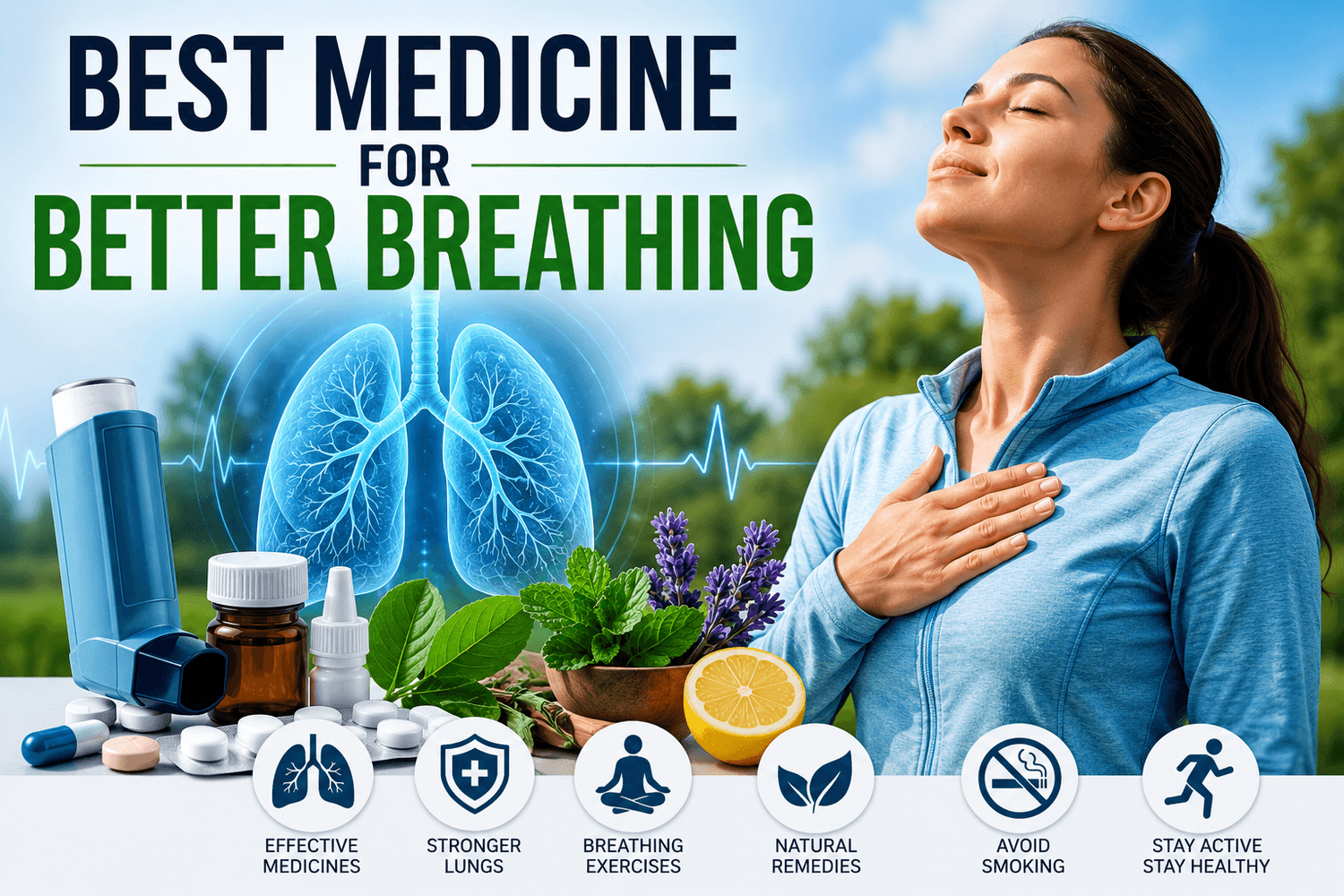
Best Medicine for Better Breathing: Effective Treatments, Natural Remedies, and Prevention
Breathing is one of the most essential functions of the human body, yet it is often taken for granted until it becomes difficult. Healthy lungs supply oxygen to every organ and remove carbon dioxide, allowing your body to function properly. However, conditions such as asthma, chronic obstructive pulmonary disease (COPD), allergies, bronchitis, pneumonia, respiratory infections, and even air pollution can make breathing challenging. Shortness of breath, wheezing, chest tightness, and persistent coughing can interfere with daily activities and reduce your quality of life.
Fortunately, a combination of the right medications, healthy lifestyle habits, and preventive measures can significantly improve breathing and support long-term lung health.
The best medicine for better breathing depends on the underlying cause of your symptoms. Some people require quick-relief inhalers for asthma attacks, while others benefit from long-term controller medications, antibiotics for bacterial infections, or antihistamines for allergies.
In addition to prescription treatments, natural remedies such as breathing exercises, staying hydrated, eating a nutrient-rich diet, and avoiding smoking can help strengthen the lungs and improve respiratory function. Regular exercise, maintaining a healthy weight, and minimizing exposure to pollutants are also important steps in protecting your lungs.
In this comprehensive guide, you'll learn about the best medicines for better breathing, how they work, natural ways to support lung health, prevention tips, and when you should seek medical attention. Whether you're managing a chronic lung condition or simply looking for ways to breathe easier, this article provides practical information to help you improve your respiratory health and maintain an active, healthy lifestyle
What Causes Breathing Problems?
Breathing difficulties can result from many health conditions, including:
Asthma
Chronic Obstructive Pulmonary Disease (COPD)
Allergies
Bronchitis
Pneumonia
COVID-19
Lung infections
Heart disease
Anxiety and panic attacks
Air pollution or smoking
Identifying the cause is the first step toward choosing the most effective treatment.
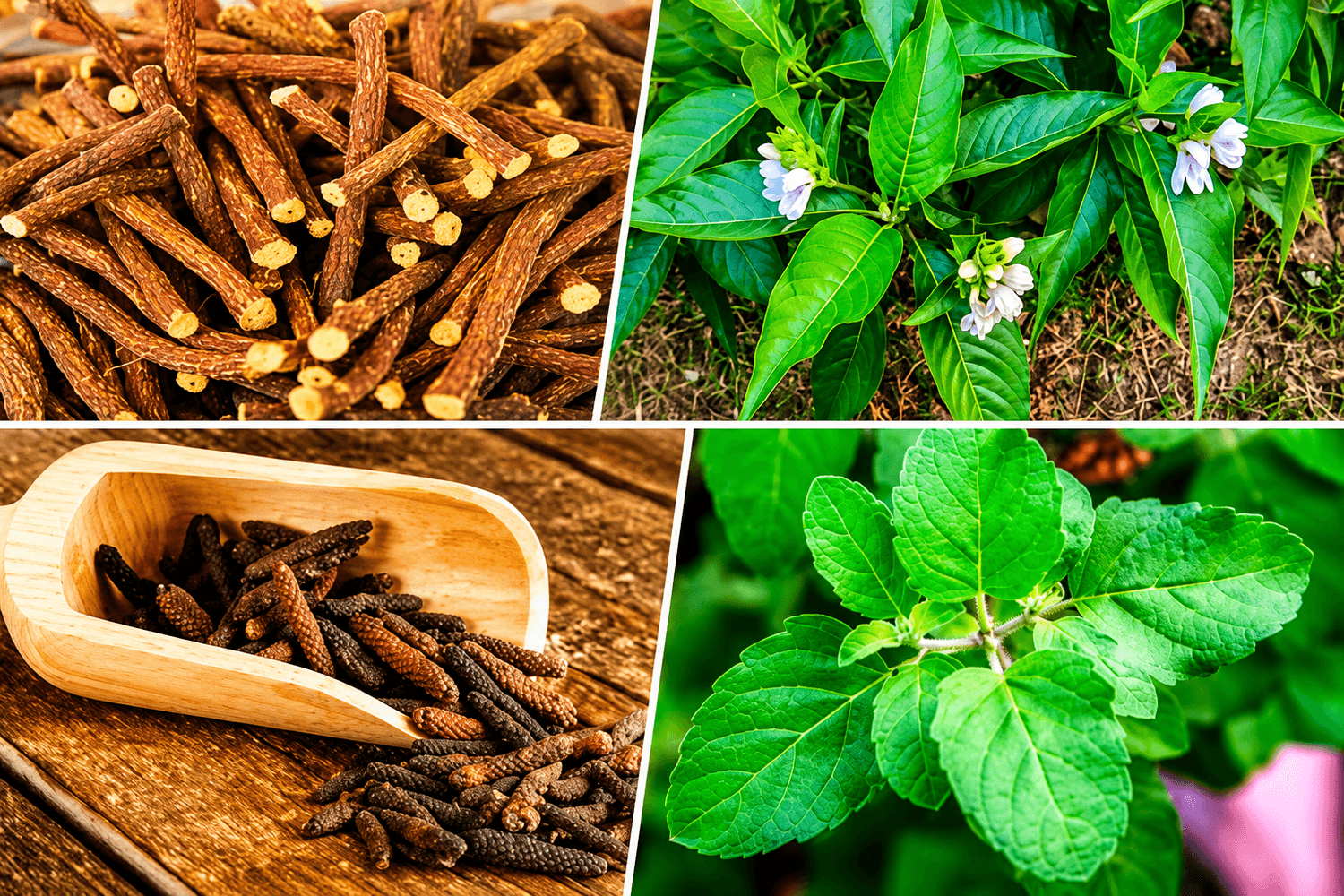
Essential Ingredients That Support Better Breathing
When choosing a medicine or breathing problems supplement , understanding the ingredients can help you make a more informed decision.
key ingredients are :
Tulsi (Holy Basil)
Tulsi, also known as Holy Basil, is a powerful herb valued for its anti-inflammatory, antioxidant, and immune-supporting properties. It helps protect the respiratory system from environmental pollutants and allergens while promoting clear airways. Regular use of Tulsi may support easier breathing, enhance lung function, and contribute to overall respiratory wellness.
Mulethi (Licorice)
Mulethi, commonly known as Licorice, is widely used in for its soothing effects on the throat and respiratory tract. It helps calm irritation, reduce discomfort, and support healthy mucus balance. Its natural anti-inflammatory properties may promote easier breathing, making it beneficial for maintaining healthy lungs and respiratory function.
Vasaka
Vasaka is a renowned herb traditionally used to support respiratory health and lung function. It helps maintain clear airways, supports healthy breathing, and assists in managing respiratory discomfort. Rich in natural compounds, Vasaka is often used to promote overall respiratory wellness and improve the body's ability to breathe comfortably.
Pippali
Pippali, also known as Long Pepper, is a powerful herb that supports respiratory strength and vitality. It helps improve lung function, promotes healthy oxygen utilization, and supports the body's natural respiratory processes. Traditionally used in , Pippali may also enhance the effectiveness of other herbs while supporting overall breathing comfort.
Natural Remedies for Better Breathing
Healthy lifestyle habits can complement medical treatment and improve lung function naturally.
Practice diaphragmatic and pursed-lip breathing exercises.
Stay hydrated to keep mucus thin.
Exercise regularly to strengthen your lungs.
Eat antioxidant-rich foods such as berries, leafy greens, citrus fruits, and tomatoes.
Avoid smoking and secondhand smoke.
Use a humidifier if dry air worsens your symptoms.
Maintain a healthy body weight.
Prevention Tips
Protecting your lungs is one of the best ways to prevent breathing problems.
Quit smoking and avoid tobacco products.
Limit exposure to air pollution and harmful chemicals.
Wear protective masks in dusty environments.
Stay physically active.
Get recommended vaccinations for influenza, COVID-19, and pneumonia.
Wash your hands regularly to reduce infections.
Follow your prescribed treatment plan if you have asthma or COPD.
When to See a Doctor
Seek medical attention if you experience:
Persistent shortness of breath
Chest pain
Wheezing that does not improve
A cough lasting more than three weeks
Coughing up blood
Frequent respiratory infections
Blue lips or fingertips
Severe breathing difficulty
Early diagnosis and treatment can prevent serious complications and improve your quality of life.
Conclusion
The best medicine for better breathing depends on the underlying cause of your symptoms. Bronchodilators, corticosteroids, antibiotics, antihistamines, and other medications can effectively manage many respiratory conditions when used correctly. Combining medical treatment with healthy habits such as regular exercise, breathing exercises, a balanced diet, and avoiding smoking can further improve lung function and overall well-being. If you experience persistent or worsening breathing problems, consult a healthcare professional promptly. Early diagnosis and the right treatment plan can help you breathe easier, protect your lungs, and enjoy a healthier, more active life.